Determine The Important Steps For Newbies In Alcohol And Drug Rehabilitation And Learn What Vital Info Could Dramatically Influence Your Recuperation Journey


Short Article Developed By-Bateman Buchanan
If you're considering alcohol or drug rehab for the first time, it's natural to really feel unsure regarding what exists in advance. Comprehending the rehabilitation procedure can reduce those nerves and assist you plan for the journey. From the initial evaluation to the different treatment alternatives, understanding what to expect can make a considerable distinction. So, what should you know as you take this vital action toward healing? Allow's discover the essential elements with each other.
Recognizing Different Types of Rehab Programs
When checking out rehabilitation alternatives, you'll find several types of programs tailored to different demands. Each program has unique functions developed to attend to particular challenges.
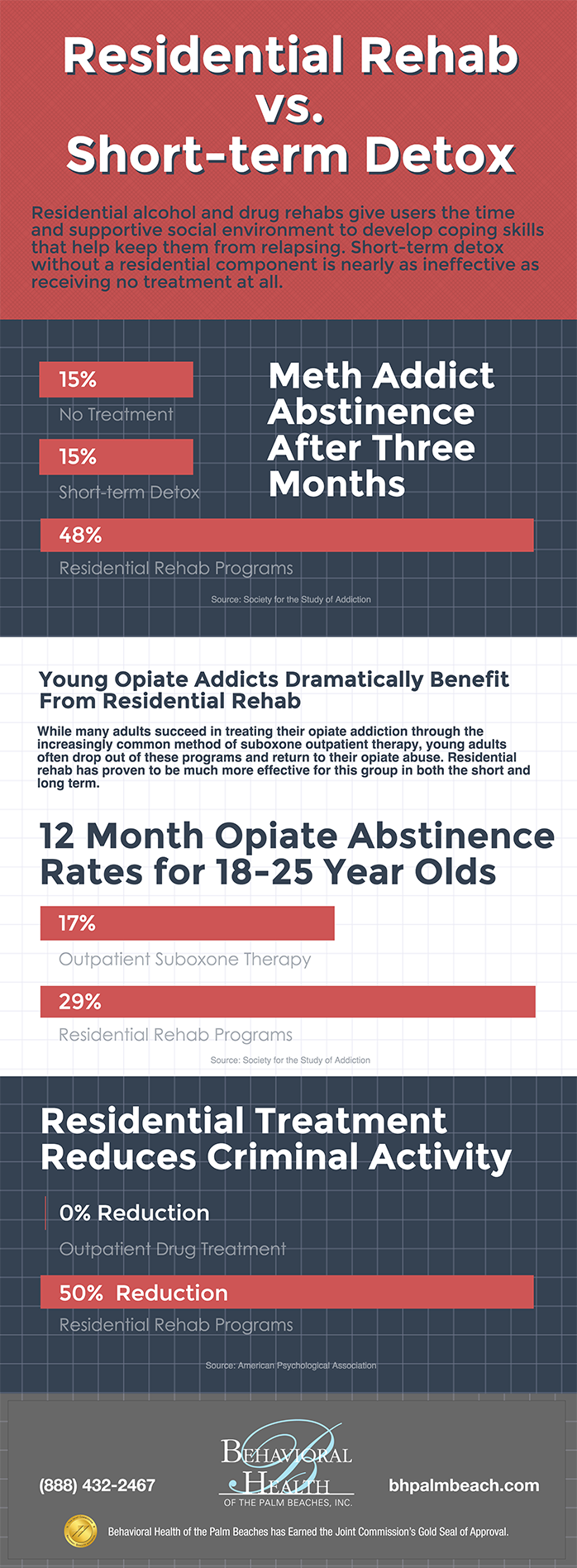
As an example, inpatient rehab offers an organized atmosphere where you'll live on-site, offering 24/7 assistance. Outpatient programs allow you to preserve everyday duties while receiving treatment, making it a flexible alternative for numerous.
You might additionally encounter detoxification programs that concentrate solely on safely handling withdrawal signs. Some facilities integrate alternative strategies, combining typical treatments with alternative methods like yoga or reflection.
Recognizing your individual circumstance and choices can assist you pick the ideal program. Eventually, picking a program that reverberates with you is crucial for achieving long-term recuperation success.
What to Anticipate Throughout Your First Days
Your initial days in rehab can feel overwhelming, yet recognizing what to expect can alleviate the shift.
You'll likely check in and undertake a clinical analysis to identify your demands. This is a critical step, as it helps the personnel develop a tailored prepare for your recuperation.
You might satisfy fellow patients and obtain a trip of the facility, which can help you feel extra at ease. Expect to participate in orientation sessions that explain the everyday timetable, guidelines, and offered sources.
You might experience withdrawal signs, so the team will certainly monitor you closely for your safety and security.
The Role of Therapy and Therapy
Therapy and counseling play an essential function in your recovery trip, aiding you deal with underlying concerns that contribute to compound use. Participating in private therapy enables you to check out personal challenges, injury, or mental wellness problems that may drive your dependency.
With these sessions, you'll gain beneficial insights, create dealing approaches, and discover much healthier means to handle stress and feelings.
Group counseling supplies a helpful environment where you can share experiences and get in touch with others dealing with comparable battles. Hearing their tales can promote understanding and lower feelings of isolation.
Along with trained specialists, you'll service structure life abilities and developing a solid structure for lasting healing. Welcoming therapy and therapy is crucial for transforming your frame of mind and accomplishing enduring change.
Aftercare and Continuing Support Choices
After completing a rehabilitation program, continuing support is crucial for keeping your recovery. Aftercare solutions can assist you stay on track and avoid relapse.
Think about signing up with a support system, like Alcoholics Anonymous or Narcotics Anonymous, where you can connect with others who share comparable experiences. Normal check-ins with a counselor or specialist can also supply guidance as you navigate obstacles in your daily life.
In addition, some programs use alumni solutions, allowing you to remain gotten in touch with your rehabilitation area. Don't undervalue the importance of a strong assistance network; it can make a considerable distinction in your journey.
Verdict
Finally, going into alcohol and drug rehab can really feel overwhelming, yet recognizing what to expect aids ease your stress and anxiety. By recognizing the different kinds of programs, the preliminary analysis procedure, and the relevance of therapy, you're better prepared. Remember, your commitment to healing and engagement in support networks are vital to your success. Don't forget about aftercare alternatives, as they give important assistance as you continue your journey in the direction of lasting recovery. You're not the only one in this!